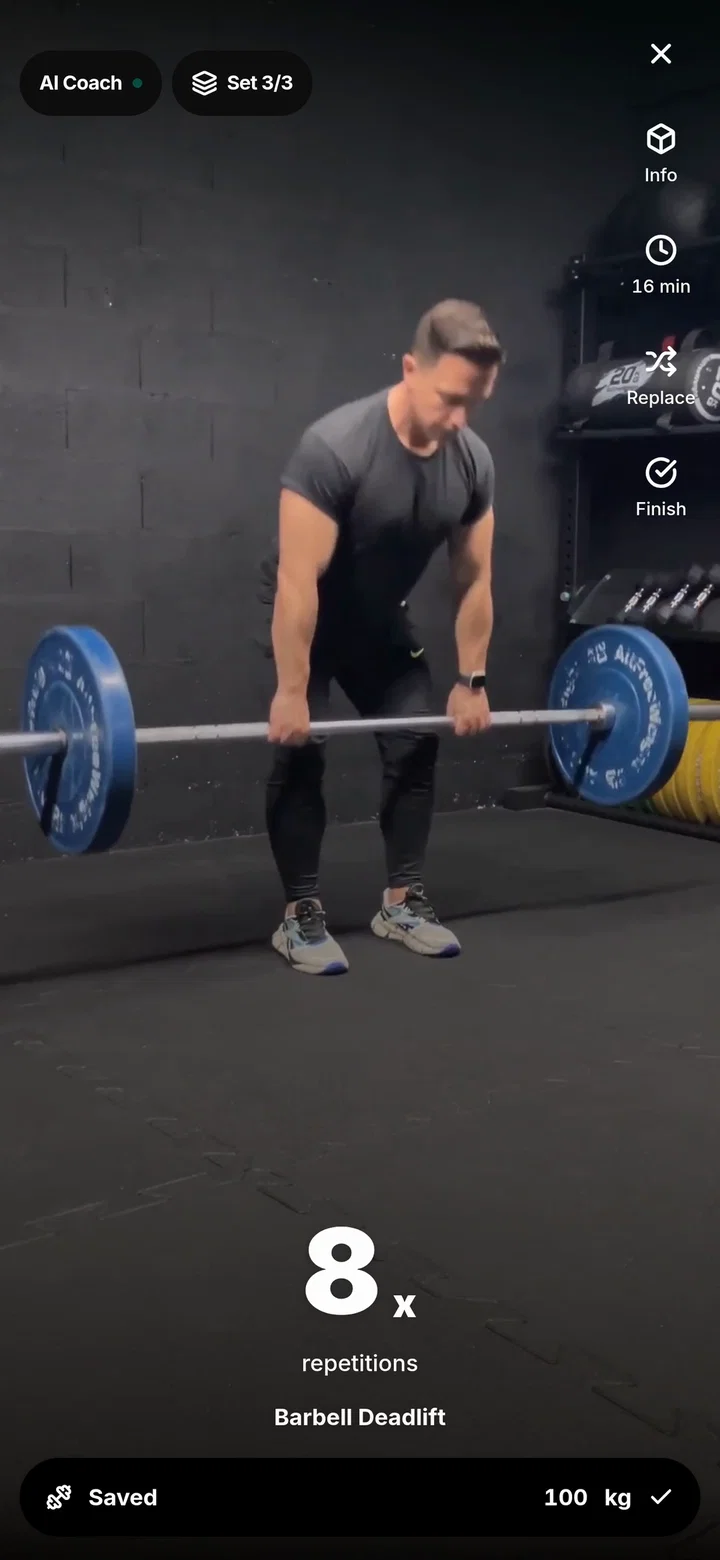
How to Build Muscle Without a Personal Trainer
Learn how to build a simple, independent gym routine, progress safely without a coach, and track the feedback loops that actually matter.
- muscle building
- strength training
- hypertrophy
- beginner guide

 Bodybuilding Advice
 The Short Answer
You can build muscle without a personal trainer by relying on a simple, repeatable program, learning movement patterns progressively, and tracking a few useful indicators. A structured framework does not need to change your routine every week. It should help you train consistently, recover, and adjust one variable at a time.
The Three Priorities of Independent Training
Three priorities make an independent routine easier to follow:
- Consistent resistance training: Two or three gym sessions per week can be enough to start. Choose exercises you can control and keep them long enough to learn the technique.
- Measured progression: Once every planned set reaches its target repetitions with reliable form, add one repetition, a small load increase, or one set. Do not raise several variables at once.
- Realistic recovery: If fatigue stays high from one session to the next, reduce volume or intensity temporarily instead of adding new exercises.
The progressive overload guide explains the progression principle in detail.
Designing a Simple Weekly Routine
A straightforward weekly schedule can combine a lower body movement, a pushing exercise, a pulling exercise, and a few accessories. You do not need ten variations in every workout. Start with a limited selection, keep one or two repetitions in reserve on working sets, and record what you complete.
A beginner muscle building program complete guide can be a structured starting point. The useful program is the one that matches your available days, equipment, and experience level, not the most complicated routine.
Mastering Exercise Technique Safely
Start with lighter loads. Resistance is a tool for practice and muscle stimulus, not a test of maximum strength. Use reliable video demonstrations to understand a movement, and record your own sets to check stability and alignment.
Use a controlled range of motion and stop if a movement causes joint pain. Persistent discomfort, an injury, symptoms, or a medical condition require qualified individual assessment: general training guidance cannot diagnose or replace that assessment. The how to squat proper form science guide shows how to break down a complex movement without forcing everyone into the same stance.
Nutrition and Recovery Strategies
Tracking your protein intake muscle growth guide can be a useful benchmark, but nutrition does not replace consistency and sleep. Plan meals you can prepare, aim for adequate sleep, and leave rest days between demanding sessions.
If your schedule becomes overwhelming, reduce training volume before abandoning the routine. Two high-quality workouts per week are more useful over time than a five-day plan you cannot sustain.
Knowing When to Adjust Your Plan
Review trends over several weeks, not a single workout. Better form at the same load, extra repetitions, or a reliable schedule are signs that the plan is doing its job. The table gives a simple next step:
| What you observe | First action | What to avoid |
|---|---|---|
| You complete every target with stable form | Add one repetition or a small load next session | Changing exercises, volume, and load together |
| You miss targets for two weeks | Check sleep, food, and technique, then reduce one demand if needed | Adding more sets to force progress |
| You feel unusually fatigued or sore | Keep the movement but reduce volume or intensity for a week | Pushing through pain or persistent symptoms |
Individual responses vary, so use this as a conservative feedback loop rather than a guarantee of a specific rate of muscle gain.
Sources
- Resistance training prescription for strength and hypertrophy
- ACSM resistance training prescription for healthy adults
- Resistance training volume and progression evidence
Start a WorkoutGen Muscle Building Program Made for You
Select your goal, experience level, schedule, and available equipment to receive a free gym program to follow in the app.
- Gym program adapted to your goals
- Exercise videos to guide your form
- In-app workout tracking