Progressive Overload for Muscle Growth: The Science-Backed Guide
Learn how to apply progressive overload safely. Discover how to choose your next training target, avoid common mistakes, and build muscle without burning out.
- hypertrophy
- strength training
- progressive overload
- muscle growth

 Bodybuilding Advice
 Understanding Progressive Overload for Muscle Growth
Progressive overload for muscle growth means making your training slightly more demanding over time while maintaining strict technical control. This does not require breaking a personal record during every single gym session. Instead, it means sending a consistent, structured signal to your body so that your muscles are forced to adapt and grow.
To build muscle, you can increase the weight, add another repetition, perform an extra set, or improve your range of motion. The key is to make these adjustments systematically rather than randomly. When you track your completed sets, repetitions, loads, and rest times, you can make informed decisions about when to step up the difficulty.
Choose One Progression Variable at a Time
The most reliable way to progress is to use a target repetition range. For example, if your program prescribes a range of eight to twelve repetitions, you should keep the weight constant until you can complete twelve clean repetitions across all your scheduled sets. Once you achieve this target, you can slightly increase the load for your next session.
If the new weight drops your performance back down to eight challenging repetitions, keep that load constant. Focus on gradually building your repetitions back up to twelve over the coming weeks. You can also progress by improving your movement tempo or shortening your rest periods, but changing multiple variables at the same time makes it impossible to identify what is driving your progress or your fatigue.
Prioritize Movement Quality Over Quantity
A repetition is only useful for tracking progress if its execution matches the previous one. Keep the same exercises in your routine for several weeks, and carefully record your load, repetitions, and level of control. Adding weight to the bar at the expense of your range of motion or form is not true progression.
Always leave a small buffer of energy on your hardest sets, especially if you are a beginner. This reserve helps you maintain excellent technique and ensures you recover in time for your next workout. For example, prioritizing movement control is essential when learning foundational exercises, as detailed in our guide to squatting with proper form.
Practical Rules for Adjusting Your Training
To keep your training safe and productive, follow these simple decision rules before changing your workout variables:
- Increase the load only when you can complete the maximum number of target repetitions across all sets with stable technique and full recovery.
- Increase the repetitions or improve your movement control if the next available weight increment at your gym is too heavy to perform safely.
- Reduce the weight or volume immediately if your technique degrades, if you experience joint pain, or if you are unable to recover between sessions.
Progress is rarely linear. Keeping your training variables stable for a week to consolidate your technique is often the smartest decision you can make to ensure long-term muscle growth.
Aligning Progression with Your Fitness Goals
For muscle hypertrophy, the primary driver is completing high-quality, challenging sets close to muscular failure, supported by adequate recovery. If your goal is strength, you will eventually train with heavier loads, but technical execution remains your absolute priority. If you are returning to fitness, progression might simply mean consistently completing two or three workouts a week without feeling exhausted.
Your training program should translate these principles into clear, actionable steps. You will notice visible results from your workouts much faster when you follow consistent benchmarks over several weeks, rather than changing your routine every time a session feels difficult.
Common Pitfalls to Avoid
Many lifters stall because they try to progress too quickly. Avoid doubling your training volume, load, and frequency within the same week. Additionally, avoid comparing your training weights to those of other people, as individual biomechanics and training histories vary greatly.
Finally, do not view constant, debilitating soreness as a requirement for building muscle. Structured rest days for muscle recovery are an active part of your progression, as they allow your muscle tissue to repair and grow stronger for your next session.
Sources
- Resistance training volume and progression
- Current evidence on resistance-training progression
- Resistance training prescription for muscle function, hypertrophy and physical performance
- ACSM resistance-training prescription for healthy adults
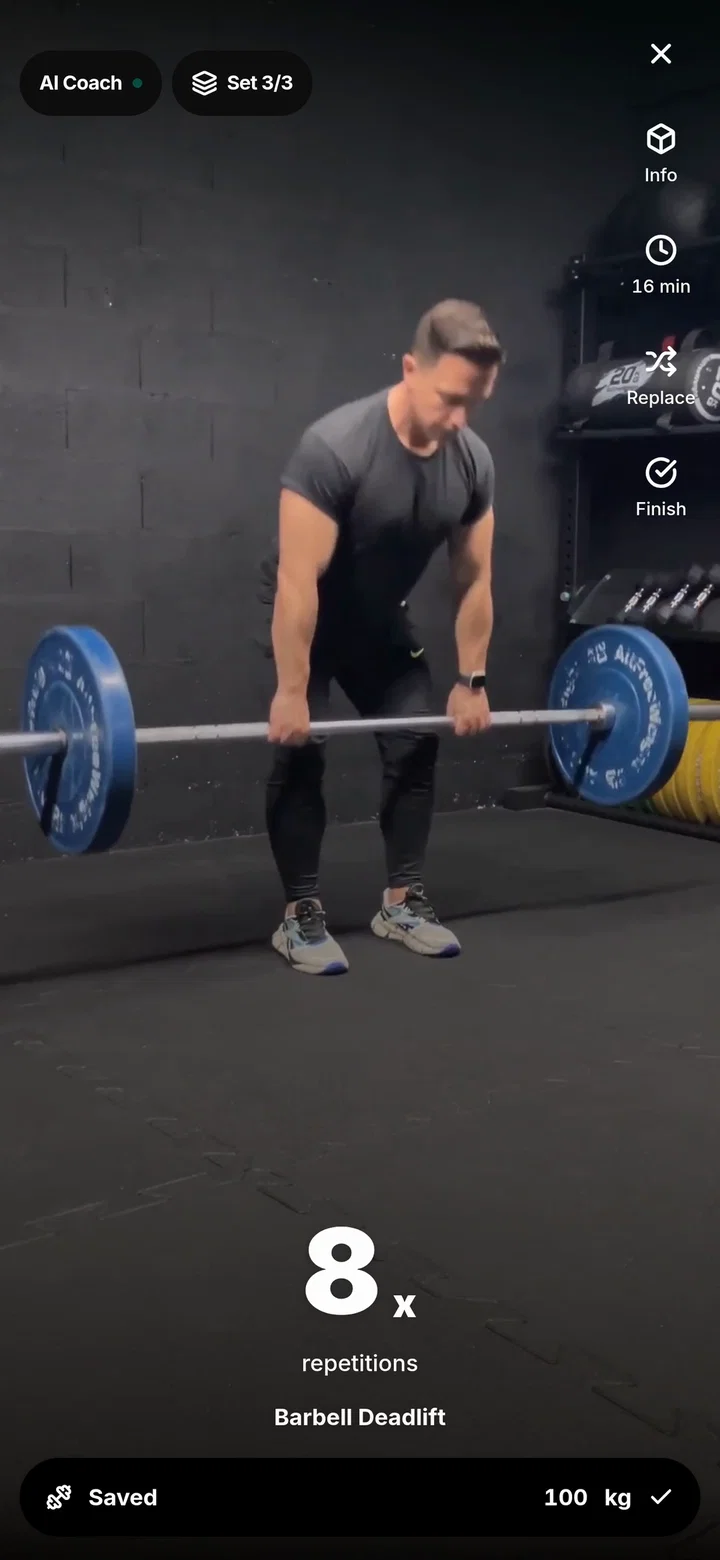
WorkoutGen: Progress safely without guesswork
Create a personalized gym program tailored to your goals and track your sets directly in the app to keep your progression clear and structured.
- Gym program tailored to your personal goals
- Instructional videos to guide your form
- Easy workout tracking to monitor your progress