How to Find a Free Personalized Gym Workout Plan That Actually Works
Discover how to find a free gym workout plan tailored to your specific goals, experience level, schedule, and available equipment without falling for generic templates.
- personalized workout plan
- free workout plan
- custom fitness routine
- beginner fitness
- gym workout plan
- home workout plan

 Strength Training News
 The Short Answer
A personalized workout plan is not just a standard PDF with your name written at the top. To be truly personalized, a plan must account for your specific goals, your actual experience level, your weekly schedule, and the equipment you have access to. If any of these variables change, your program should be able to adapt accordingly. This adaptability is what makes a custom plan much easier to stick to than a generic template found online.
The Core Inputs a Good Program Must Use
To build a plan that fits your life, you must start with accurate inputs. A useful program relies on four essential pillars:
- Your Primary Goal: Whether you want to build muscle, increase strength, lose weight, or improve general fitness, your goal dictates your rep ranges, volume, and exercise selection.
- Your Real Experience Level: Be honest about your training history. Designing a program for what you wish you could do, rather than what your body is currently prepared for, is a fast track to injury or burnout.
- Your Weekly Schedule: A plan only works if you can execute it. If you can only commit to three days a week, your program should maximize those three sessions rather than trying to squeeze a five day split into three days.
- Your Training Environment: Whether you train in a fully equipped commercial gym, a hotel fitness center, or at home with a pair of dumbbells, your plan must match your available tools.
These inputs do not exist to label you. They exist to prevent common training pitfalls, such as assigning barbell movements when you only have dumbbells, or scheduling high frequency splits when you have limited time. A useful plan is one you can realistically start this week.
Why a Generic Template Often Falls Short
Standard templates can be excellent sources of inspiration, especially when you want to discover new exercises or learn basic movement patterns. However, they rarely answer the most critical question: what do you do after the first week?
Without built in progression and adaptability, templates often lead to plateaus. You might find yourself repeating the same easy workouts indefinitely, increasing the weight too quickly and compromising your form, or abandoning the program entirely when your schedule changes. A personalized plan helps you understand how to progress safely. Managing progressive overload is much simpler when you have a structured framework designed for your current capabilities.
A Practical Checklist for Choosing Your Plan
Before you commit to a new routine, evaluate it against these four decision rules:
- Goal Alignment: Does the rep range and volume match your primary objective?
- Schedule Compatibility: Does the weekly frequency fit your actual availability without causing excessive stress?
- Equipment Match: Can you perform every exercise with the gear you actually have access to?
- Recovery Balance: Does the plan include enough rest days to allow your muscles to repair and grow?
If a program fails even one of these criteria, you do not need more willpower. You simply need a better adjusted plan.
For those training in a gym, a beginner strength program can provide an excellent initial structure. If your primary focus is hypertrophy, a dedicated beginner muscle building program might be a better fit.
How to Evolve Your Plan Over Time
Consistency is key to measuring progress. Keep the same core movements in your routine long enough to learn proper form and track your strength gains.
If your schedule changes, adapt the number of weekly sessions or rearrange your training days first, rather than throwing out the entire program. If you experience unusual fatigue, temporarily reduce the weight or volume. Conversely, if your workouts feel too easy and your technique remains perfect, gradually add a repetition or a small amount of weight to keep progressing.
Consulting a rest day muscle recovery guide can help you determine whether you need to increase your training volume or prioritize rest to optimize your results.
Sources
Create Your Free Personalized WorkoutGen Workout Plan
Answer a few quick questions about your goals, experience, schedule, and equipment. Get a clear, structured routine to follow directly in the app.
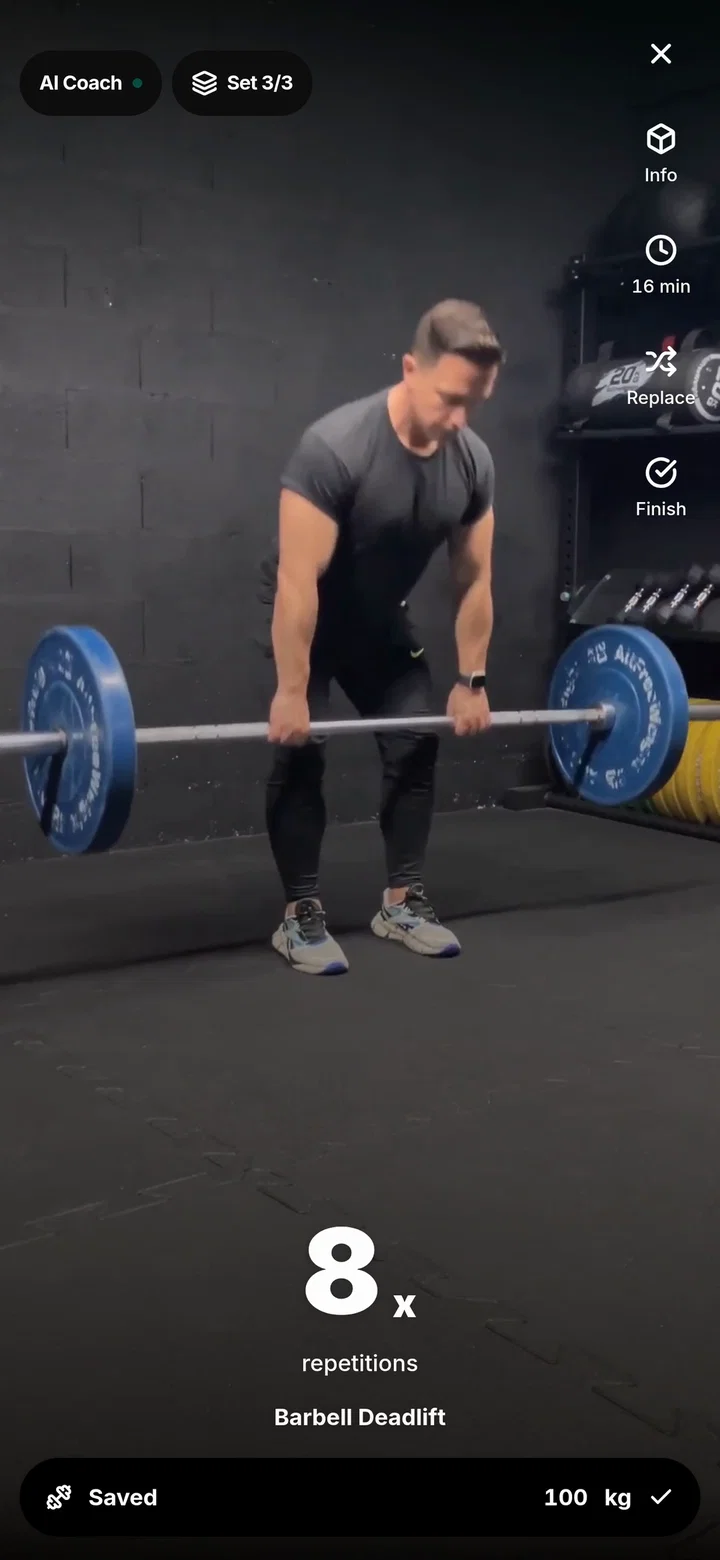
- Gym program tailored to your exact goals
- Exercise videos to guide your form
- Easy workout tracking inside the app